 |
 |
 |
 |
 |
 |
 |
 |
 |
|||
 |
 |
|
|||||||
 |
|||||||
 |
|||||||
 |
|||||||
 |
|||||||
|
|||||||






|
||||||
 |
||||||
 |
||||||
 |
||||||
|






 |
 |
 |
 |
 |
 |
 |
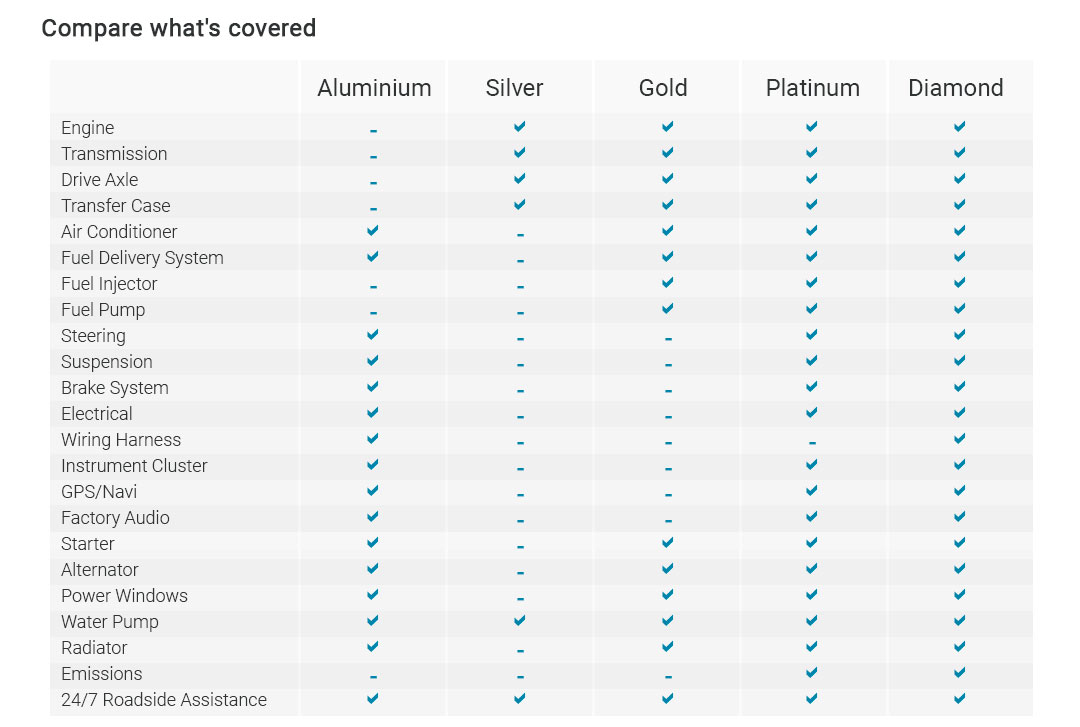
auto warranty in florida expensive: what shapes the price and where value hidesLook past the sticker and you'll see systems, risks, and incentives converging. Florida adds heat, humidity, coastal corrosion, dense traffic, and seasonal spikes in repair demand. Those inputs nudge service-contract math upward, so the price you see isn't just coverage - it's climate, labor markets, and claim behavior compressed into a number. Why Florida nudges prices higherRepair networks from Miami to Jacksonville carry higher labor rates, and hot-weather failures - A/C, cooling systems, batteries, electronics - arrive in clusters. Service administrators price for that volatility. Add regulatory oversight, insurer backing, state fees, and the cost of administering roadside events during storms, and premiums inch up. Feature breakdown: what you're paying for
Pause. Cost anchors and reasonable rangesFor mainstream vehicles, comprehensive plans commonly land in the low thousands over several years; monthly plans often map to a mid-two-digit to low-three-digit payment. Florida can run higher than national averages because of labor and claim intensity. Key is comparing effective cost: total price minus likely benefits, adjusted by your risk tolerance and cash flow. A quiet real-world momentLate August on I-95 near Fort Lauderdale, a driver waits at a shop as the advisor calls the administrator. The A/C compressor and condenser are approved at local rates; the driver pays a modest deductible instead of a four-figure repair. On another day, an owner with a rock-solid model and low miles declines coverage, banks the savings, and comes out ahead. Both choices can be rational - the context decides. Signals of value (not just price)
Florida-specific quirks
Ways to control the bill without gutting coverage
Bottom lineYes, an auto warranty in Florida can look expensive. But price without context misleads. Evaluate feature by feature, pressure-test the contract against local labor realities, and align coverage with the failures Florida actually produces. That's how cost turns into value - and how a complex decision becomes a confident one.
Main Topic:
Auto Warranty Reviews
https://www.mavericktruckclub.com/forum/threads/buying-extended-warranty-if-you-live-in-florida.36312/
I've read that Florida has crazy rules that you cannot buy an extended warranty from an out of state dealer. https://www.reddit.com/r/F150Lightning/comments/1dfzao3/extended_warranty_in_florida/
I've seen people reference granger but they don't offer coverage here and Ziegler appears to be the same as the dealership. Quoted about $4000 ... https://5thgenrams.com/community/threads/why-does-the-mopar-extended-warranty-price-vary-per-state.49321/
In Florida Extended Warranties are considered Insurance and it is regulated. All warranties sold in FL must be sold at MSRP and can not be more ...
|
